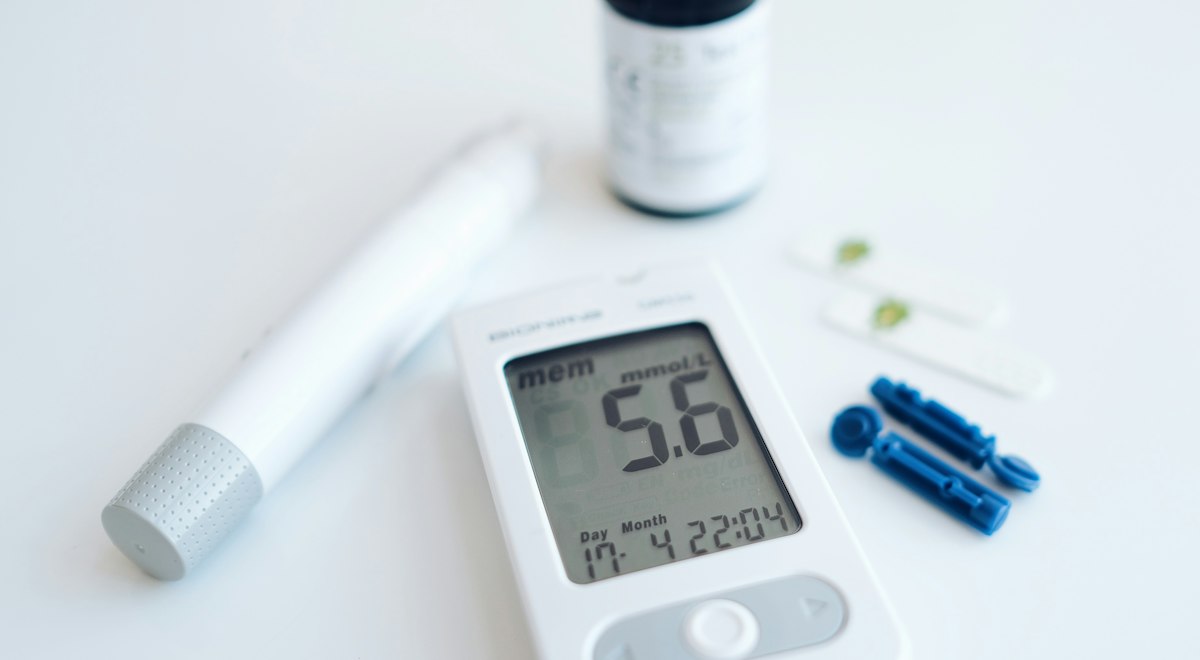
In short: World Diabetes Day, observed each year on 14 November, is a good reminder that diabetes can affect the eyes long before you notice any change in vision. Diabetic retinopathy — damage to the tiny blood vessels of the retina — is often silent in its early stages, which is why a yearly dilated eye examination is so important for anyone living with diabetes.
How does diabetes affect the eyes?
Persistently high blood sugar can weaken and block the small blood vessels that nourish the retina, the light-sensing layer at the back of the eye. The vessels may leak fluid or bleed, or abnormal new vessels can grow. When fluid collects in the central part of the retina (the macula), central vision becomes blurred. Learn the basics in our glossary entry on diabetic retinopathy, and read our deeper guide to diabetic eye disease.
Why waiting for symptoms is risky
Early retinopathy usually causes no pain and no change in vision. By the time floaters, blurred vision, dark patches or sudden vision loss appear, the disease may already be advanced. An examination can reveal problems while treatment is most effective.
Who should have regular retina checks?
- Everyone with type 1 or type 2 diabetes, generally at least once a year, or as often as their doctor advises
- People newly diagnosed with type 2 diabetes, soon after diagnosis
- Pregnant women with diabetes, who may need more frequent checks
- People with raised blood pressure, high cholesterol or longer-standing diabetes
What does the test involve?
You will usually receive eye drops that widen the pupils, which lets the doctor examine the retina in detail. Retinal photographs (fundus photography) and a scan such as OCT may be used to check for swelling or structural change. The drops can blur near vision and cause light sensitivity for a few hours, so it is wise to avoid driving immediately afterward and to bring sunglasses.
What if retinopathy is found?
Treatment depends on the stage and may include:
- Retinal laser to treat leaking or abnormal vessels — see retinal green laser
- Injections into the eye (intravitreal injections) to reduce swelling and abnormal vessel growth
- Vitrectomy surgery in advanced cases with bleeding or traction on the retina
Treatment aims to protect remaining vision and slow progression; it cannot always restore vision already lost, which is another reason early detection matters.
Protect your eyes every day
- Keep blood sugar, blood pressure and cholesterol within the targets set by your physician
- Do not smoke
- Take your medicines and attend every follow-up
- Seek urgent care for sudden vision loss, a shower of floaters or a dark curtain — see retinal detachment warning signs
Diabetes also raises the risk of earlier cataract and of glaucoma, so a comprehensive eye check looks at more than the retina.
Book your yearly check
Trivision provides retina care for patients across Bandra, Khar, Santacruz, Mahim and Pali Hill; see our local pages for Bandra East, Santacruz West and Mahim, or contact us to arrange an examination. This article is general information and does not replace medical advice.