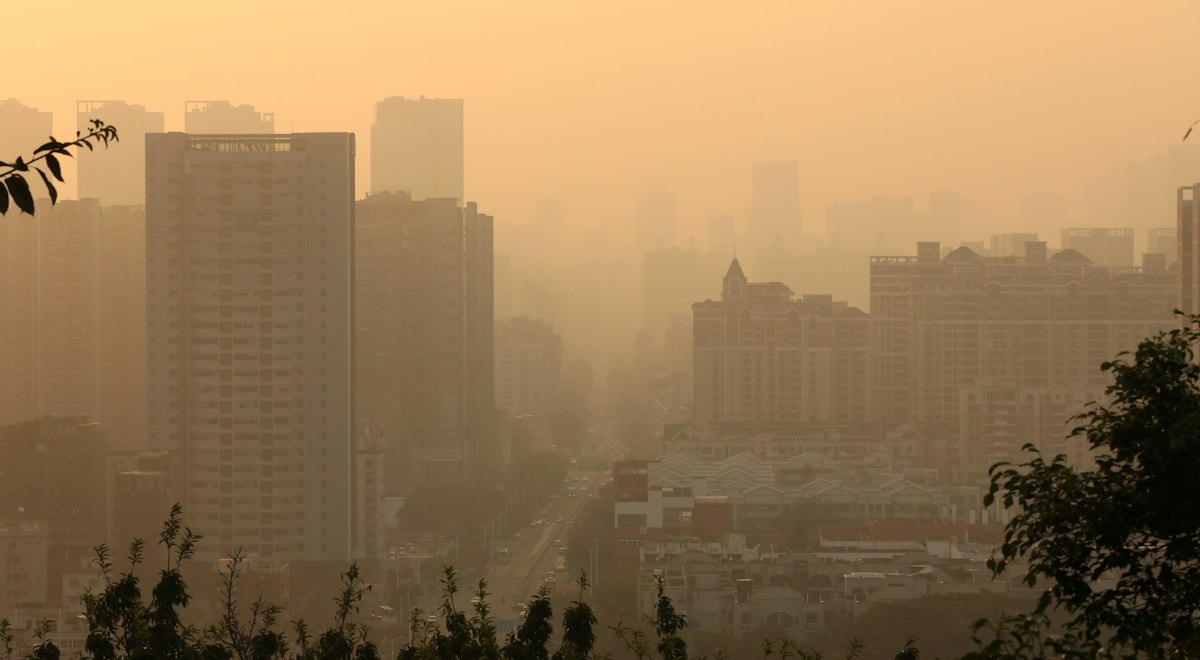
In short: When the air is dusty or polluted, and rooms are dry and air-conditioned, the thin tear film that protects your eyes breaks down faster. The result is burning, redness, a gritty feeling or paradoxically watery eyes. Most cases are manageable with simple habits, but some signs need an eye doctor.
Why do eyes feel worse when air quality dips?
Your eye surface is constantly exposed. Fine particles, dust and smoke can irritate it directly, trigger allergic reactions and disturb the tear film that keeps the surface smooth and moist. Public health reports in Indian cities regularly link periods of poor air quality with more people seeking help for eye irritation and dry eye. Air quality in Mumbai can dip at different times of year, and the cooler months are a common time for symptoms.
Dry air, air-conditioning and screens add to the load
Air-conditioning and heating lower humidity. Screens make us blink far less often. Combine these with polluted outdoor air and the eyes struggle. If you work long hours on a laptop, see our guides on preventing digital eye strain and computer vision syndrome.
Common symptoms
- Burning, stinging or a gritty, “sand in the eye” feeling
- Redness and puffy eyelids
- Watering (the eye over-produces poor-quality tears)
- Itching, especially when allergy is involved
- Blurred vision that clears when you blink
What you can do at home
- Blink on purpose and follow the 20-20-20 rule: every 20 minutes, look at something 20 feet away for 20 seconds.
- Use lubricating drops as advised by your doctor; preservative-free drops are often preferred when used frequently.
- Do not rub your eyes. Rubbing worsens irritation and can damage the surface.
- Wear wraparound sunglasses or glasses outdoors, especially on two-wheelers.
- Wash your face and hands after being outside, and avoid sleeping with make-up on.
- Drink enough water and keep a comfortable level of humidity in closed rooms where possible.
- Contact lens wearers: take extra care and switch to glasses when your eyes are irritated; see our contact lens care guide.
Allergy, dry eye or infection?
They can look alike. Itching suggests allergy; a gritty, burning feeling that worsens through the day suggests dry eye; sticky discharge, especially if one eye is worse and the lids stick together on waking, can mean infection. If you are unsure, an examination is better than guessing — and avoid steroid-containing drops unless an eye doctor prescribes them. Read more in our guide to conjunctivitis and the dry eye page, or our deeper articles on chronic dry eye and the dry eye syndrome.
When to see an eye doctor
- Severe pain, marked light sensitivity or reduced vision
- Redness that follows an injury, or in a contact lens wearer
- Symptoms lasting more than a few days despite lubricating drops
- A history of eye surgery, such as LASIK, with new or worsening dryness
Get your eyes checked
Dry eye is often treatable once the cause is identified. Book a consultation at Trivision Eye Hospital, Linking Road, Bandra West. This article is general information and does not replace an examination.